The Days of Cheap Money Are Over

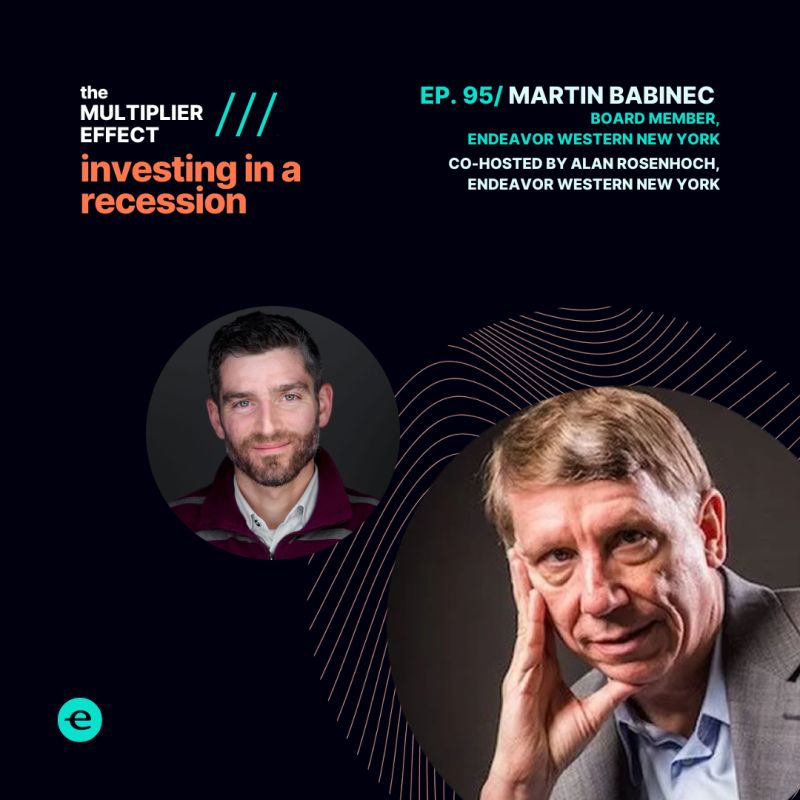
Colleagues at Endeavor hosted me for a podcast to talk about investing and operating venture backed companies during recessionary times.

Endeavor entrepreneurs and many others are experiencing the effect of high interest rates and depressed public company multiples as investor backed companies start testing the market to raise their next round of funding.

With Endeavor’s audience focused primarily on companies already in growth stage, they were specifically interested in speaking with people who had experienced multiple recessions.

Three Prior Tech Wrecking Recessions

For me, there were three distinct pullbacks driving venture investors to run for cover. Each followed a frothy VC investment period with new heights in valuations immediately preceding these resets:

  • 2000 – 2002 Dot com bust + post Sept 11 recession
  • 2008 – 2009 Real estate and financial markets crisis
  • 2020 – 2021 Initial 18+ months of Covid pandemic

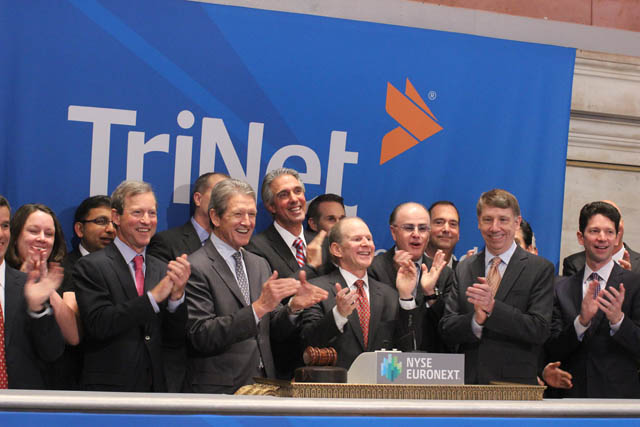
I’m far from unique for having worked through each of these resets. The first two I was on the operating side of the business as CEO and Chairman at TriNet, while during the 2020 venture pullback I was on the investor side doing what I could to help UpVentures portfolio companies make hard decisions following the unexpected falling off the cliff valuation drops at the start of Covid.

Have a listen to the podcast if you’re interested in hearing more about what prompts me to think it may be a couple of years or longer before we get back to late 2021 private company valuations.

Recessions teach us that failing to recognize macro forces beyond our control can too easily result in horrific consequences to once promising companies. Much heartache can be avoided if leaders move quickly to face reality in making the hard decisions.

Whether you’re an operator or investor, if you believe “only the paranoid survive,” it’s necessary to look beyond founder optimism thinking that past momentum points towards everything just working itself out.

Got 3 Minutes? Listen to one segment

Open up the podcast here and jump to a specific topic of interest by advancing to any of the following time stamps in the podcast:

> 1:55: How is the economic outlook different today compared to a year ago? Where’s it going for VC backed companies and how long will the recession last?

> 4:00: Why public market valuations are going down and how that affects private companies seeking funding.

> 7:42: How does the current economic cycle compare to the dot-com bust of 2000/2001 as well as the 2008/2009 recession.

> 9:41: Insights from leading a company during recessionary times, including TriNet’s aborted IPO during the 2000 “dot bomb” downdraft

> 13:33: Why running a company during a recession requires Wartime Leadership that accepts macro reality, making the hard decisions and figuring out how to keep the right people you want in foxhole with you when you’re under fire

> 19:40: What investors can do to support management in making hard decisions. How management leverages data to support, track and adjust a realistic financial plan

> 22:48: Why it’s a great time to be an entrepreneur, including outside major tech hubs

> 24:31: Connecting entrepreneurs to resources is a common social impact thread across UpVentures Capital, and non profits Upstate Venture Connect, Entrepreneurs Across Borders and UpMobility Foundation

> 27:49: “Call me crazy” moment: Running as an independent candidate for U.S. Congress in 2016 and how that evolved to a committed journey inside a national movement to improve democratic processes in New York and the United States

> 29:35: Most Inspirational CEO: Jack Stack + how the Great Game of Business shaped TriNet’s trajectory

> 31:10: Best Business Advice Ever Received: From Mitch Kertzman – Not getting hung up on founder’s percentage ownership of the company

SVB Collapse a New Risk Factor

Since the podcast was recorded prior to Silicon Valley Bank’s demise, ripple effects from that closure are still unfolding. Certainly, that includes investor discovery of a new financial risk factor for the venture ecosystem further depresses valuations beyond the other recessionary factors described in the podcast.

Endeavor Helps Scale Ups

Endeavor is a non-profit leading global community of, by, and for high impact entrepreneurs.  I joined their Western NY Board of Directors last year as part of my mission in connecting high growth founders to resources they need to scale companies. Endeavor is a truly global, mature non-profit built on a Pay-it-forward ethos such as I’ve described in More Good Jobs. The Endeavor board role is helping me see best practices I hope to carry over to other non-profits I’m involved with building community like Upstate Venture Connect, Entrepreneurs Across Borders and the Seasoned Entrepreneurs Gathering Exchange.

Related posts:

Wartime Leadership Series

More Good Jobs Series


Startup Boards: A Field Guide to Building and Leading an Effective Board of Directors

This post was prompted by Brad Feld’s release of the Startup Boards 2nd edition.  I’ve been sharing the original since it was published 10 years ago, frequently shipping a copy to founders when I closed on a seed to Series A investment.   This 2nd edition is packed with new content I find useful for not only startup founders, but also seasoned CEOs ready to do a gut check comparing their board with the book’s suggested best practices.

Learning about boards is an overlooked founder priority

For most founders, the onset of bringing on institutional investors triggers awareness of governance and responsibilities of a board. Though even at that stage, I’ve found it’s a rare early stage entrepreneur that grasps the priority of investing the necessary time and energy for learning how to build and manage a board of directors.

More typically, first time founders look to their venture investors for guidance on board composition, development and process – without realizing that the entrepreneur’s following rather than leading, is a huge missed opportunity to develop critical competency necessary to evolve as CEO through and beyond the growth stage of their company.

Once investor backed company CEOs start being held accountable to hitting growth targets, a founder’s narrowing focus to revenue and customer traction can drive attention further inward, coming at the expense of proper expectation setting and engagement at the board level.  Not surprisingly, many founder departures happen when the company hits inevitable speed bumps in the growth stage, where the mix of managing both above and below is new territory for the entrepreneur CEO.

Startup Boards as a Field Guide

The book is a truly a field guide that founders may read through once, then find themselves going back for reference when board issues start rising to top of mind.

Understanding the basics of a board’s purpose, roles and functions lays the foundation for those just beginning their board journey.

A full chapter on VCs as board members demystifies several dynamics that can help immensely in forging productive VC Board member relationships.

Seeing best practices on how to recruit, interview, compensate and communicate with board members are all key, as is the understanding of why having a blend of independent directors is so critical.

With 34 years on TriNet’s board, seeing the arc of that evolution through challenging growth stages, (including rigors of the public market), gives me special appreciation for how the guidance in this book is spot on.

Buy it now and you’ll have the chance to take more control over your future by seeing the connection between good governance and successful companies.


Wartime Leadership 4: Layoff Day

Many companies savaged by loss of sales due to Covid-19 have already been through a first round of layoffs. Even with talk of easing stay at home restrictions, the revenue outlook for many businesses is looking bleaker now as companies are still grappling with prospects of a long recovery.

If you’re readying another round of headcount reduction, it’s important to go as deep as you possibly can to keep the business afloat with defined revenue and available cash. The preparatory steps were outlined in my previous posts Survival Assumptions and Picking the Wartime Team.

We’ll presume you’ve thought through whether to furlough staff (which may keep employees on benefits for those most likely to return) versus outright layoffs (for those less likely to return in the immediate future). Both sets of employees would be eligible for state and federal unemployment benefits, including additional benefits provided by the Federal CARES act. Lots of guidance is available on those topics. Here is one example for New York State employers.

This post is about the human interactions on layoff day. All team members, departing and retained, deserve your respect and sensitivity. The right approach involves coordinated steps for consistent company wide execution.  I’m drawing from experience in having been through this painful process too many times in TriNet’s struggle to overcome the dot com blow up.

All Hands Announcement  

A morning company “All Hands” meeting is the best avenue to answer the most important question and ensure it is communicated consistently – why are we doing this?

Even though everyone knows that Covid-19 is affecting the business, the extent to which that has affected your revenue line is probably not well understood throughout the ranks. If you haven’t previously shared financial information company wide, then the connection between revenue and what’s available to pay for salaries may also be a big unknown for those not directly involved in the budgeting process.

The All Hands should provide staff with an objective grounding in financial and operating metrics that stresses how significant the difference is from the pre-pandemic world to the currently uncertain future. It’s important that the full team be aware of the non-people-related costs you’ve already stripped out. Ideally, the contrast between the pre-pandemic and the wartime plan ties to elements of your Survival Assumptions. These critical items have to be clear so everyone understands the need for dire action and the layoffs occurring that day.

Following the facts outlining the need for drastic change, you can describe the process by which people will be informed and highlight steps the company is taking to help those being released.

Close with your personal, most sincere thoughts about what taking these reductions mean to you. There’s no perfect script. Your openness, accountability and vulnerability will impact how people remember your leadership at this most critical time.

1:1 Discussions with released team members

Rule one about informing people being released is never deliver the first news by letter, email, text, slack or voicemail. Since the pandemic precludes in-person meetings, videoconferencing is the best option, with a direct phone call the only alternative. Anything less smacks of callousness. Departing team members will never forget their separation experience and will likely share with others how the company treats those it let go.

Ideally, these are one on one discussions led by an upline manager or executive, not a job for HR or someone not involved in managing the team member being released. In larger companies with entire departments being shut down, it is possible a group meeting with several people on the same session may be necessary. In situations where the manager or executive is also being released, the notification responsibility rolls up to the next level – all the way up to the CEO.

While you might plan on a layoff notification taking 10 minutes, most will require 5 minutes or less. Even though the earlier All Hands meeting set the stage, if you’re the team member receiving official notice your income is being cut off, it’s simply not a discussion most people have a desire to prolong.

Neither managers nor the team members want to be in these meetings. Some will seek to avoid them. It’s up to the CEO to drive the requirement for personal interactions and ensure managers are provided an appropriate HR approved script that is followed consistently throughout the company.

This includes providing written documentation on the details for timing and offboarding process, impact on the employee’s benefits and guidance on filing for unemployment benefits. Doing so allows the procedural part to be mentioned and passed along in writing, and offering the opportunity to answer questions. HR may also have a list of Frequently Asked Questions that managers can refer to.

After the formalities are done, comes the important topic of what the manager can do to assist the team member being released. Managers can deliver great value to a released team member in a number of ways. For instance, writing a recommendation that appears on the employee’s LinkedIn profile and showing  readiness to support job search efforts are basic steps. Going into details at this stage is not the point, as most terminated employees won’t remember them. What the employee will remember is how sincere and compassionate you were in being sensitive to their situation. A personal follow up the next week to show your support will be a better time to talk about specific ways that you can help them.

Recapping With Survivors 

By the end of the layoff day, all the survivors will be emotionally exhausted. A close of day All Hands meeting for those who remain is your first opportunity to address the survivors’ grieving process as well as set the tone for what’s ahead.

Recognize that while survivors are grappling with a sense of relief as well as regret and sadness over the loss of colleagues, some of which may have been close friends. They may also be concerned about losing key contributors whose work will now be distributed among a smaller team.

This meeting is the CEO’s opportunity to lay out key elements of the wartime strategy to answer top of mind questions like “How are we going to survive this? What are we going to do differently?”

Possible topics might include:

  • Department and role consolidations (described in Picking the Wartime Team) and what will be necessary to put these changes in play while minimizing disruption to customers.
  • What new revenue opportunities will you be evaluating? Are there some new service opportunities appropriate for the pandemic environment that are suddenly in demand?
  • Back burner pet projects that had longer term implications – explaining the lens used to consider resource allocations beyond fulfilling immediate customer or near-term revenue.
  • Looking at shifting some fixed compensation to variable, as well as hours reduction and a re-examining of paid time off policy.
  • Closing with a very clear set of wartime priorities and a reminder that everyone has the opportunity to contribute. This is a great time to roll out changes that enable sharing across department lines and push ideas and opportunities upwards.

Leave time for Q&A and in these remote situations, define your process for Q&A to be accomplished virtually. There are some questions that are best addressed individually, while others require the CEO speaking to all in attendance. A chat moderator may be helpful in deciding which questions are suited for a group response.

When you get to Q&A, it’s guaranteed to include the most top of mind issue for all: “Will there be any more layoffs?”

Steer clear of making promises you may not be able to deliver on. It’s your customers buying that drives revenue and the prolonged period of uncertainty will have implications you simply can’t predict.

Like other rookie CEOs facing their first massively secular downturn, I fell into the trap of feeling like my making a commitment that we’ve put the pain behind us would instill confidence in survivors. But as TriNet’s revenue slump continued to deepen, it became obvious our cuts were not deep enough. In retrospect, my answer only created further questions about my leadership because I had set expectations I could not deliver on.

Having to go through layoff agony multiple times is my deepest regret as CEO. Especially with regards to how I set expectations about our recovery. In response to the “Will we have any more layoffs?” I should have responded truthfully along the lines of: “I can’t make promises about the pace our customers are going to resume buying. We’ve cut really deep so we don’t have to do this again. It’s a coordinated effort that needs buy-in from every single person here. That’s the only way we get out of this with the very talent we have on board today.”

My friend Jeff Hyman is a superstar recruiter, Silicon Valley serial entrepreneur and former TriNet client. He went through his own dot bomb experience and has a terrific video capturing elements of Wartime Leadership. Scroll ahead to 58 minutes for a quick look at survival assumptions followed by guidance on your D-Day meeting with survivors.

You can also take advantage of TriNet’s Business Resiliency and Preparedness Center for free access to Covid-19 related strategies and resources for Small to Medium sized Businesses.

The next post in this series will expand on resetting expectations and navigating survival themes – including organizational changes needed for wartime victory.


Wartime Leadership 3: Picking the wartime team

When bullets are flying, who do you really want with you in the foxhole?

My prior Survival Assumptions post described the process for doing bottoms-up revenue and cash forecasts. Armed with these, you now know how much cost needs to be cut out for the company to survive an extended war of attrition.

Let’s also presume you’ve cut (or have a list of) the obvious non-people expenses. What’s left now are the hard decisions around which people will be asked to leave and possible salary reductions for those that remain. 

Identify Essential Functions and Consolidate Roles

Identifying the bare minimum resources needed to sustain existing revenue becomes the starting point. Start with narrowing the essential functions that have to be covered – including looking at options to change how your organization is structured. Can some of those functions previously segmented into different roles and departments be consolidated? 

The steeper your revenue shortfall is compared to the pre-pandemic budget, the more department and role consolidations come into play. Look at which units touching customers are organized under different managers. Consider putting these functions together and reallocating how the work is distributed across a smaller team. In addition to reducing overall costs, this type of action can deliver more efficient execution with a leaner management stack.

One word of caution is to beware of managers seeking to preserve their own jobs and suggesting drastic changes for other groups. 

Synthesize Multiple Inputs

The actions recommended in my previous post have already got you prodding people at different levels. In both group and individual meetings, you’ve been asking for creative input that departs from the current process and structure while still preserving essential functions. The objective is always so your company can maintain (or grow) revenues with fewer people. 

Now it’s time to curate that input and start modeling different scenarios. Initial modeling prepped by the CFO for discussion with the CEO, might also loop in potentially 1-2 other direct reports who aren’t in the zone of consideration for their own roles being on the chopping block. Intense discussions around unit and role consolidation (including potential management reductions), should take place in a very tight group before expanding to a broader management team review.

Start with the highest management tier – can you consolidate departments like Sales and Marketing? Or combine Sales and Customer Delivery/Account Management to a Chief Revenue Officer? Which admin and general expense departments can be consolidated to a leaner team? 

As you advance to a broader team discussion, your thoughts on which of your direct reports may be cut won’t be shared right away as you want consolidation discussion to go deeply across all company lines before finalizing on structural changes driven by the reduction.

Start looking at the individual people affected only after getting a clearer picture of the new structure that is needed. Some team members are likely better suited to work in peacetime where roles and processes are more clearly defined and there is less emphasis on fast, creative problem solving and flexibility. In wartime, you want people who are committed to fight hard battles with few resources and are also nimble enough to rapidly adapt to new roles/wear multiple hats. 

Balance Objective Measures with Core Values

In the first round of headcount cuts, it’s often easy to separate top performers from those that are below par. But if your revenue loss pushes you towards massive cost reductions, you’ll have to lay off committed performers who’ve done all that the company has asked them to do. Making these choices is the hardest of hard things. 

You’ll have your own bias about people you’re already interacting with on a regular basis. However, the larger your company, the harder it is for you as CEO to have in-depth personal contacts across the organization. 

At the start of the “dot-bomb”, TriNet had about 500 employees spread across diverse functions in eight different metro areas. Going through the process described here, we were fortunate to have already incorporated a set of 5 core values into how we arrived at other HR decisions like hiring, firing, promotions, equity grants etc. Faced with the decision of selecting people to go into the new leaner structure, our internal discussions were grounded on core value attributes demonstrated by the people retained vs. those to be released in a layoff. 

Within the context of our core values, we looked hard at objective measures for productivity, contribution to cross functional teams and projects, evidence of exceptional customer satisfaction, speed at which someone learned new roles and other attributes that lined up with important qualities we needed during wartime. 

So while the final decisions were a blend of applying objective measures and subjective judgement, the takeaway here is that having a defined process around how these decisions would be guided helped get the right information into the mix and also minimize impact from the loudest voices in the room (aka Strong Opinions Loosely Held).

Salary Reduction

Cutting salaries is another tool in the box as part of an overall cost reduction strategy. Most companies don’t consider it as there are many complications to work through, including contractual and culturally. 

You want survivors committed to stay, not putting valued energy into pursuing opportunities elsewhere. So this approach is best considered only if there is genuine solidarity among the workforce that belief in the company, and their fellow team members, is strong enough that people express a preference to lowering their own salaries as an additional way to keep more team members on board. 

At TriNet, we chose to take a voluntary approach offering incentive stock option grants with meaningful upside opportunity for participants. We did not release program details until we first socialized it through the executive team and other key contributors to confirm there was a broad base of support for people to take advantage of it. It also made a difference that we had an ongoing effort at upgrading the entire team’s financial literacy so they had some background on how to view the company’s progress and also how stock options work – both critical elements to get buy in for trading salary cuts for equity upside.

The Leader’s Accountability 

Wartime is the ultimate test of a Founder/CEOs leadership. My inner conflict of wanting to protect the livelihoods of those who passionately supported the company was the greatest struggle I ever faced as an entrepreneur.

We can’t delegate these hard decisions to others. Even with managers making recommendations at each step of the process, I took ownership for every layoff decision made. These were people who trusted me in guiding the company in a way that assured a continuing opportunity for them if they met and exceeded standards we said defined both successful performance and embracing our core values. 

I felt personally responsible for the management failure in not being able to hold up the company’s ability to fulfill that agreement. The weight of those layoff decisions affecting hundreds of people’s lives stays with me still 20 years later. 

While I can’t turn the clock back to redo my decisions that led to scaling up so fast at the tail end of the dot com era, I do have some comfort in knowing that our process of selecting the wartime team had a lot to do with our surviving the long nuclear winter that destroyed most other businesses so dependent on tech company customers as TriNet was when the dot com world blew up.  


Next post in this series will cover the human interactions on layoff day – both those being laid off and the survivors.


Wartime Leadership: Survival Assumptions

How do we navigate through a period where we know our revenues are going down, but we don’t know yet by how much, or for how long? No one can predict when business will return to the pre-pandemic state. We know we have to cut expenses, but what’s the right reduction target to be aiming for?

As discussed in our Wartime Leadership series opener, we all lack clarity for answering these big questions. This uncertainty in turn drives hard decisions around how deep to take cost reductions – especially when it comes to laying off team members. 

By now, many companies have already taken their first round of cost cutting yet remain more than a little uncertain if they’ve gone deep enough.

This post offers a methodical approach to defining a basis for forecasting the 2 most critical items on a CEO’s list: revenue and cash. The basis behind what gives visibility to revenue and cash drives how deep our cost cutting measures have to be to stay alive – or put another way, our survival assumptions. 

We’ll start with the revenue forecast since that factors into cash flow planning and is also the harder to define through this fog of war. We’ll also presume you’re a B2B company not expecting a quick rebound once stay at home orders are lifted since the pace of restoring revenue depends on a combination of factors you have little control over. 

With so much diversity across industries, business models, company profile etc., it’s not feasible to suggest a universal model that works for everyone. I’ll instead highlight a few process steps that may help steer your forecast towards being realistic and sufficiently fluid so you can guide decisions as circumstances change.

Throw out the peacetime budgeting process 

If you’re running an established business with a history of operating and sales team metrics, you’ve already got a defined process to approach budgeting. In peacetime, this is typically a CFO led exercise beginning with past baseline and trends passed to each operating exec. Execs and their departments add updates without necessarily having company wide guidance on macro trends or big picture external forces to consider.

Since how and when businesses recover from the pandemic will be all over the map (including impact on your customers reeling from pandemic losses themselves), the wartime approach has to take in a lot of non traditional input, gathered in a consistent manner so the findings can be rolled up and examined holistically, as opposed to each department viewed within its own silo. 

Get outside the building to gather new data

Gauging the extent of unknown external forces is what makes for the wartime exercise here. Relying only on what you know from inside the company would be like guessing how many troops you’re dispatching to battle before assessing the size and positioning of your enemy. 

Wartime CEO and serial entrepreneur extraordinaire Steve Blank says “There are no facts inside the building so get the heck outside.” This means dividing the team up with specific missions to go out and grab external findings from customers and prospects. When synthesized, these findings paint a more complete picture of the forces shaping the uncertain world your company is interacting with. 

Sample discussion points might include: 

  • How are different customers and prospects affected by Covid-19? 
  • Which geographies and/or industry segments are they most worried about?  
  • Are they reducing staff? 
  • Do they need to modify their buying plans with you now? 
  • What changes can you make to help them? 
  • Which trigger points or trends is the customer watching as leading indicators for where their revenue is headed? 

With pandemic restrictions precluding in person visits, you won’t get a grasp of what’s happening with your customers by sending out email surveys or expecting them to give you online feedback. In wartime it’s the human contact that matters, now more than ever. Not only to get a response, but also to coax a bit more information out than they would not likely provide other than through one on one real time contact. If they don’t answer your calls and personal outreach, then that itself is a signal worth tracking. 

Orchestrating a tight script with relevant questions is a large, manual task involving a broader portion of your team. A good script that you can deliver increases the number of data points and gives you a better handle on trends and findings.

Making sure everyone gathers input off a similar script increases value. This includes front line account managers, sales team members, and other managers and executives working in a coordinated fashion. Consistency of information capture is also important. This could be a scoring system in which account revenue projections are qualified with relevant comments (+ and -) that are also shared in a group exec team discussion as part of the roll up process leading to a consolidated forecast decided by the CEO and CFO. 

Throughout the customer outreach at all levels, keep pressing for ideas that point to key leading indicators signaling strength of the account’s expected revenue. If you’re able to spot assumptions behind individual account forecasts, a pattern may emerge that can be distilled to a few core measurements for your revised overall company revenue forecast. These measurements will help in articulating the company plan to your board or possibly alternative financing sources. And they will now be supported with quantified assumptions which can be tracked over the coming months so you can update the forecast as the recovery unfolds.

Let the cash forecast drive cost reduction planning

At the same time you and outward facing team members are speaking with customers and prospects, the finance team can be pedaling hard on collecting payments already due, tightening up credit policies that might lead to reducing or eliminate credit, building cash reserves by drawing on available lines of credit and mapping out other debt options in addition to grinding through the process to file for the government sponsored Paycheck Protection Program and Disaster Recovery Loans you might qualify for.

Focused discussions should also be underway to identify an expanded range of cost cutting options. Following the kick off exec team session to generate an initial list of options, individual execs meet for a detailed drill down with the CEO and CFO. These interactions are less about making decisions on the spot as it is to spark and nurture ideas, and also note who is contributing in ways that look beyond protecting their own turf in suggesting creative options that make sense for the entire company. 

While some of the obvious cost cutting might be implemented immediately, finalizing layoffs are best deferred till after you’ve got all the information put together from the updated revenue and cash flow forecasts. It’s only then that you arrive at the stage of showing the projected cash burn compared to your previous budget so you can then hone in on the amount of cost reductions needed.

Layoffs are the most drastic measures and should be undertaken after a great deal of thought. That being said, once the decision is made, it is best to act quickly and do in one single shot rather than creating waves of layoffs. Dribbling out layoffs over time is a sure fire way to damage your leadership credibility, destroy morale/impede productivity and increase the outflow of the very people you want to retain. 

Active leadership matters

Wartime leaders are visible and hands on throughout all these steps.  Everyone in the company is looking upwards to see how involved the CEO is. This is not a time to isolate and speak only with investors and executives. Team members are already aware the virus has severely disrupted the business, so there is a heightened sensitivity about whether their own job is in jeopardy. This is the time to step up interactions at all levels by taking part in team meetings and selectively engaging in 1:1 follow up discussions after the group meetings. 

Asking questions and getting input from the front line team demonstrates through your actions that both assessment and decisions are being approached methodically. Your personal interactions will also prompt chatter through the ranks – which in turn spurs greater cooperation in driving the information flow upward so you can build the right set of survival assumptions that become your instruments for guiding key decisions through the uncertain times ahead. 

Next post in this series goes into the hard decisions around positions, people and process for affecting a layoff. 


Wartime Leadership

 This past week I reconnected with CEOs in our UpVentures portfolio and others running companies that I have close relationships with. Synthesizing those conversations with other signals I’m getting about the economic impact of an extended shutdown, this post will advocate throwing out elements from leadership approaches companies were following just a couple months ago and rapidly shift to a wartime footing.

 Let’s start with some necessary context before advancing to leadership approaches for these unprecedented times.

We lack clarity on timing of downturn and recovery

We know the scope of Covid-19 shutdown is like no other business challenge any of us have faced before. Post 9/11 had some parallels, particularly for companies in NY metro – but did not lock down entire industries and consumers for an extended period as is happening right now.

 My own context coming closest was managing through the 2000-2002 dot bomb era – best appreciated by those who were in leadership roles in Silicon Valley over 1997-2000.  Back then, we rode the dot com wave to frothy excess, only to see it all blow up in a nuclear winter that followed starting mid year 2000.

 About 98% of TriNet’s revenue was coming from dot com customers – a great story when we sought to go public with our first filing on March 2, 2000. As mentioned in my 2014 Pre-IPO Anxiety post, things didn’t work out then as planned and I had to dig into wartime leadership mode for the next two years.

 Like now, we started the dot bomb era thinking it was a temporary aberration. Up to that point, dot com fueled an unprecedented wave of success and it’s natural to have confidence the past will soon return so could get back on track. With TriNet’s revenue model based on the volume of employees we serviced at other companies, customers closing shop or laying off people due to losing their own funding were immediate hits to our revenue. In a wartime environment, no one wanted to talk to us about buying our services – who had the time? We knew it would turn around at some point, but when would customers stop laying off and when would others be ready to start buying again? No one was predicting it would take the better part of 2 years to recover from that nuclear blast.

 Like now, leaders were understandably concerned about trying to retain their talent and think that by showing optimism with the “we’ll get through this” outlook we can keep everyone working hard, and in sync, just like before.   Albeit now we have the additional complication of not being able to call people together to meet in person.

 Like now, since we weren’t clear on the duration of the downturn, we felt the urge to provide assurances to our team by making promises we weren’t sure we could deliver on.

And probably most importantly, like now, we as leaders were trying to avoid making the hardest decision of all – laying off team members to rightsize the business so that we could ride out what we knew would be harder times ahead than many of our team understood or were anticipating. Not just employees who were marginal performers, but cutting right to the bone by laying off talented people who had worked their butts off and done everything and more than we asked them to do.

 In short, whether your business is fortunate enough to be in the category of being fueled by the pandemic, or the more likely scenario of being savaged by it, our entire mentality of leadership has to change from peacetime to wartime.

Peacetime priorities no longer matter 

In peacetime we tend to put culture first, building the strongest consensus possible to get buy-in on decisions and are also deliberate in pointing resources and projects that support our medium to long range strategy. Most of that becomes irrelevant in wartime.

It’s no accident our military operates on a strict command and control model. Survival is the lens by which all decisions are examined through. Leaders micromanage the critical things that matter – for companies that begins with cash and collections since that’s the oxygen that keeps the company alive. 

Start the process now with heightened focus on cash management with ultra conservative assumptions for a longer period than just a few months. Getting in line for the government’s PPP and disaster recovery loans will be short term band-aids, but necessary steps to invest management time in today since we know there will be a lag time to get that relief. 

All bets are off if we thought another round of funding was on the horizon from equity investors. Living on our own cash with whatever debt sources we can raise is the new imperative.

We’ll also re-examine our assumptions about what we need on a wartime team. Not just our direct reports, but at all levels of the company. Can we combine some roles with one person now wearing 2 or 3 hats instead of the peacetime practice of separate departments? 

Since we have to move fast, we know we’re going to have to make some decisions with imperfect information that do have some risks in the outcome. Sometimes that means we’ll break glass and ask for forgiveness later.

There’s only one goal in wartime

I’ll close with a couple quotes from Brad Feld’s excellent post Wartime CEO:

Peacetime CEO sets big, hairy audacious goals. Wartime CEO is too busy fighting the enemy to read management books written by consultants who have never managed a fruit stand. – Ben Horowitz

Your big hairy audacious goal in wartime is not to die – Brad Feld

The next post in this series will touch on the hardest of hard things – approaches to laying off team members.


Five Years As a Public Company

My successor CEO Burton Goldfield emailed our full board Wednesday morning marking March 27 as TriNet’s 5th anniversary as a public company.

This prompted me to relive some moments with Krista from that special day, along with reflecting on the business and personal sides of how the public company stage of TriNet’s journey continues to evolve my outlook today.

Business Perspective

There are only about 4000 public companies meeting the listing requirements to trade on NASDAQ and NYSE. Since that number has been roughly flat notwithstanding about 900 IPOs over the last five years, it speaks to the tremendous difficulty in remaining an independent public company even after clearing the high hurdle to just IPO.

Observations in my one year IPO anniversary post Embracing Public Company Readiness in Scaling a Private Company still ring true.

Being accountable to a budget, holding executives to the same accountability as the overall company and driving transparency throughout the organization are absolutely critical for public companies to survive intense scrutiny that comes with everyone viewing daily fluctuations in your share price. Missing targets investors are expecting you to achieve  comes with immediate and hard hitting consequences rolling right up to the CEO, management team and board.

But now with a five year look back, I would add a couple nuances that are more subtle:

1. Accountability/transparency + High Volume Growth = Operating Complexity. Today’s IPO and public company requirements already have a huge complexity price tag just with to comply with Sarbanes Oxley, auditable internal controls, mandatory quarterly filings and managing institutional shareholder relationships to name just a few.

But since public investors demand steady growth well beyond an already large scale just to IPO, it is execution of the growth agenda now coupled with consumptive public company requirements that dramatically increase complexity of operating the business in a way that as a private company we couldn’t fully appreciate.  

2. Ever growing operating complexity drives new leadership demands. Ten years ago I might have said that if we had several changes in key members of the executive team perhaps we weren’t making the right hire or promotion decisions.

Now my view has changed to say that with the operating complexity that comes from being a growing public company, dealing with inevitable disruption that comes with executive transition can be a necessary price for having the right people in the right seats who are in sync with the higher public company bar for a more advanced growth stage.

Personal Perspective

This five year look back also helps me grasp how difficult I would have struggled in navigating those same business challenges at this growth stage. It is with respect and admiration that I can look to Burton’s guiding TriNet’s success while staying true to the company’s mission and core values.

Continuing as a member of the Board helps me grow personally. Among other things, many of the public company lessons are an important part of the lens I use in interacting with earlier stage entrepreneurs that I might mentor or invest in.

The financial implications of TriNet’s continuing growth put my family’s independence on a trajectory I certainly never imagined when we started the company 30 years ago.

And after 20 years of explaining what TriNet does to almost every business person I met, it’s equally gratifying to see how strong our brand has become throughout the U.S. along with awareness that what we do affects quality of work life that has touched (my estimate) of a million or more people since we first began.

I am more than a little lucky to have had the help of so many terrific people who’ve contributed to TriNet’s success.  How others supported me has in turn been a motivator in making decisions now on how I allocate resources and time helping others achieve their potential, particularly entrepreneurs who create jobs that foster fulfilling lives in their own communities.

Building scalable and lasting impact through investing, philanthropy and non-profits I help launch are opportunities I aim to be pursuing for as long as I am able.

For now, I’m one of many that can bask in the glow of what these first five years as a public company has achieved. I’m optimistic about the unknown challenges and opportunities still around the corner as the reward continues to be in the journey itself.


Related post:

Startup to IPO: An Entrepreneur’s Reflections


Scaling up requires working ON the business

When a startup arrives at a stage of product market fit to show steady increases in revenue, my evaluation as an investor expands to include looking for evidence that the leaders are actively engaged in working ON the business itself as the team builds towards scaling up.

Experience helps pick up pattern recognition across a variety of decisions like how to hire winners, manage cash and keep the team on a focused path by everyone working on the right stuff.

But what about first time entrepreneurs, particularly those without prior experience in managing teams?

Founder vision and passion may be there, as well as the persistence needed to stay the course through tough times, but if the business is to scale up – that also means the entrepreneur CEO has to quickly adapt to challenges that each new phase of company growth brings. For rookie CEOs that invariably means navigating through situations he or she has never seen before.

Work Myself Out of A Job

As an active startup investor, I didn’t think enough about this before now. In part due to not having put enough emphasis on how a decade of management experience before starting TriNet was a foundation for my own entrepreneurial journey.

At the outset, perspective about not being the bottleneck for decisions others on the team could make was already part of my mindset. I had seen what worked and didn’t in my prior efforts to empower others so I was tuned to the value of working myself out of a job.

Founders with the startup being their first managerial role are having to learn these basics on the fly, while also carrying the burden of startup pressures on their shoulders as they navigate through unchartered territory every day.

It’s easy to be totally consumed with top of mind priorities like finding new customers and serving existing ones, supporting team members to keep them productive and expanding the team to fill growing demand.

Those and other day to day activities involving immediate people and resource allocation decisions get in the way of putting time into things like refining strategic direction of the company, driving changes in the company’s internal business processes, culture and public identity, finding investment capital as well as developing their own leadership skills for the next stage of company growth.

Working ON the business

Micheal Gerber’s classic “The E-Myth” popularized the notion that if you looked at any truly successful entrepreneur with an enduring company you’ll find someone who committed significant energy to improving the business itself at the same time they were also navigating through significant revenue growth.

Anyone growing a company from scratch knows how consuming the revenue growth and service side can be – so how does one find the time needed to guide improving the business itself?

Scaling up Requires a Capable Management Team

Organizations are only as strong as their weakest links near the top. A high performing team is one that leads together with unifying purpose and consistency in living a company’s core values as everyone puts the overall company ahead of any single individual or department.

But if the early stage team is also new to managing others, as the volume of necessary decisions grow (resource allocation, who to hire, changes to internal processes etc.), decisions which might routinely be made by a manager in a slightly larger organization are instead discussed among the founders to build consensus.

This all happens without much recognition that the time involved to do so inevitably slows down the needed pace of change for the company to adjust to new scale and demands.

There are no rule books out there saying if you are at a certain size this is how decision making should work.

The Founder/CEO sets the tone of evolving who decides what, with the goal of pushing decisions down the hierarchy to the lowest level possible while still having the company be coordinated with the team in sync with each other.

As the business prospers, we’ll all be successful

As soon as we started scaling up at TriNet, our first managers came in at below market salaries but offset with equity upside. There was lots of risk as our industry was unknown and growth prospects uncertain.

It all worked out as that first group of managers came in with leadership experience that made it possible for us to scale up.

Some transitioned out after a few years, several others stayed on for 10 years or longer. And I’m not thinking there was much regret on the part of anyone who took part in the early leadership team as they were all successful in transitioning to other roles where their TriNet experience was valued. Those that exercised stock options and held their shares also reaped significant financial gains downstream.

CEO’s have the opportunity to articulate an inspiring vision for what individual and company success looks like, while at the same time being realistic with regards to expectations. Leaders who are credible in striking this balance attract high performers to the management team who in turn model that behavior as they become critical links for building the company to the next level.

Developing The Company Requires Commitment

Even if the Founder CEO is able to attract experienced managers to the team, the need for management development to work ON the business will be ongoing.

Throughout my TriNet CEO journey I sought out meaningful development opportunities, sometimes as part of industry or entrepreneur conferences but especially where there would be a gathering of peer CEOs who were seeking to learn more about the same issues I was struggling with.

Extra value came from opportunities where those peers then had contact outside the learning session. Building an expanding peer network requires a time investment that also carries the opportunity cost of stepping outside the business to participate.

I could get pretty charged up after hearing wisdom from a world class speaker on some aspect of company development, but then had to be thoughtful about how to bring that new knowledge back into the company.

Our approach included devoting at least one full day per quarter to strategic planning to focus working ON the business with prepared topics addressing known bottlenecks as we generated new approaches to meet higher production and sales growth we were building towards.

In some cases, we enhanced group learning with outside facilitators. We wouldn’t do it often, but as the team grew this proved to be an additional avenue to help get everyone on the same page for important themes we needed to be in sync.

Define and Work the Plan

With so many other things requiring attention in the business, the only way to mark steady progress is to incorporate company development into the operating plan and then track progress against measurable company goals.

We sought out and followed proven structures that helped us learn from what worked well for others. This helped not only on how to frame company development goals but the internal management reporting that cascade down from the overall corporate plan with operating metrics that were meaningful to the people doing the work inside each company department and work unit.

Supplementing written guidance and goals with an outside coach is another way to insure there are eyes on progress against defined management goals that go beyond financial measures and other targets the Board of Directors should be holding the CEO accountable for.

None of this is easy nor will come together with a process that stays rigid. Like most everything in growing a company, the journey begins with commitment to get it done followed by continuous iteration on the approaches used.

With an expanding team, everyone needs to be engaged in contributing to strategic development even while totally consumed with challenges of dealing with rapid growth.

But I’ll argue that unrelenting attention to working ON the business can be the key differentiator separating those who never make it past the startup stage from those who evolve to become true companies.


Build to last requires partnering with the right investor

Overcome Investor Bias | Learn from TriNet Founder Martin Babinec

Someone just forwarded me Fred Destin’s excellent post “What founders really want from VC’s.”

Fred’s insights are absolutely on point, and reading them prompted me to dig up an unfinished post of my own on this topic – one that I began writing earlier this year following the exit of TriNet’s long time controlling shareholder, General Atlantic.

For context, consider that TriNet’s annual revenue was about $50 million at the time of GA’s 2005 initial investment and have now grown to more than $2 billion.

More important than the growth capital GA invested, was the expertise and support they provided through our doing 10 acquisitions and transactions, including complex ones like our pre-IPO purchase of a much larger public company which we then took private, large debt financings that benefitted all shareholders, our successful March 2014 IPO and the smooth transition of their shares to Atairos, another large institutional holder so there was no disruption of our share price in the public market.

GA support also was instrumental helping us recruit my successor CEO Burton Goldfield, top quality board members and key executives, all while helping us with a savvy investor’s outside in looking view on important board level strategic and governance issues as we navigated through challenges at each stage of the company’s growth in that 11 year span.

It is hard for me to imagine how TriNet would have evolved to both our current marketplace position and promising path to remain an enduring company of the future had we not had the richness of GA’s contribution led by Managing Director Dave Hodgson.

So it is with some reflection now that I share a few principles on investor attributes I bring up when mentoring entrepreneurs who are in earlier stages in the journey of finding and working with institutional investors.

Companies don’t invest, people do

Institutional investors are duty bound to stay within the expectations set for the limited partners who are the source the fund’s capital. While this baseline can never be overlooked, the partnership responsible for running the fund still has latitude within the fund charter to make the key decisions leading up to when and how the fund ultimately exits the investment.

How that latitude gets exercised has a lot to do with the quality of relationship and trust between the company CEO (and board), with the key sponsor inside the fund – typically the company board member who is at managing director/general partner level in the fund.

The person who is your financial sponsor will end up being the company’s advocate inside the venture fund’s partner meetings where tough decisions are hashed out on things like:

– how the fund’s holding in your company is valued
– whether to increase the fund stake with a new round
– should the sponsor orchestrate a change in company leadership
– how would the fund’s non capital resources be deployed in supporting a company transaction or initiative
– when and how the fund’s stake in the company will be sold

As the CEO, you won’t have insight to the dynamics of those internal fund discussions, but you’ll certainly be dealing with the aftermath once the decisions are made.

So WHO the person is that you are relying on to be your advocate has everything to do with the personal qualities of your sponsor and how well aligned he or she is with the company’s view of playing for long term success vs. building to flip for near term gain when the inevitable unanticipated speed bump occurs in stalled company revenue growth.

Relationships are tested when times are tough

It’s hard to gauge the quality and strength of any relationship when things are going well. But if you’re truly scaling up a company, the truism is that is that even with the boost that might come with a big slug of new equity capital, it is never a straight line to uninterrupted periods of steady growth.

Whether due to bad planning, execution failures or external factors outside the company’s control, the time will certainly arrive when the company misses hitting critical budget goals expected to show progress in the investment.

When things go awry, whoever your financial sponsor is now has the added burden of convincing his/her partners of the fund on whether the setback is navigable or requires an investor driven change (e.g. like firing the entrepreneur CEO).

This requires the partner to have a deep enough understanding of the business and capabilities of the CEO and team, as well as the credibility and persuasiveness to advocate a difficult position that might run counter to conventional wisdom or prior experiences inside the private equity firm.

Don’t shortcut the investor diligence

The best sources to diligence someone who is a candidate to be your financial sponsor inside a fund would be founder/CEOs that sponsor has worked with in prior investments.

Here are a few areas that could be worth exploring to diligence someone lining up to be your financial sponsor:

– How well did the sponsor set expectations and deliver on them? When did he or she have to walk back expectations they previously set?

– Describe examples of where the sponsor dug into the details of the company’s business and applied that knowledge in a way that surpassed contributions of other board members?

– How persuasive was the sponsor at influencing the view of other directors on the board to get to the right outcome?

– How did the sponsor help when company results fell below budget?

– How did the sponsor affect a company outcome that might have involved responding to a company crisis or pursuing a major opportunity in a compressed time frame?

Don’t stop at just one diligence call. Speaking with CEOs from at least 3 former portfolio investments will provide a richer picture than any single source.

Viewing company success as personal success

Like most entrepreneurs who’ve been on a company journey a decade or longer, my ambition has always been about building a company to last – knowing that if the company is able to grow profitably over a sustained period of time it would be achieving what I set out to do in filling a market need and growing a team responsive enough to adapt to ever changing conditions that challenge others in the same industry.

If I was able to lay the foundation for building a company to last, I wouldn’t have to fret about where I would end up financially since the pace of growing the company’s value would far exceed dilution of my percentage ownership stake.

While it’s a straightforward financial proposition to see it’s better to own a minority slice of a huge pie than be controlling shareholder in a small company, the bigger issue many founders wrestle with is whether they can separate themselves from company leadership if that is in the company’s best interest.

Whether the founder opts to exit the leadership team or is nudged by the controlling shareholder(s), either case involves a high stakes transition where the financial sponsor is in a position to influence the outcome in a manner that all involved emerge as winners.


The long game begins with shared vision and trust

Some entrepreneurs, and investors drive towards generating a decent return over the near term by building a company likely to be sold for a profit at the earliest possible time.

If you’re in the other camp of wanting to build a company to last, continuous company growth will still provide meaningful exit opportunities where you could be in the envious position of passing today’s sale to stick with the vision of building a larger and enduring company.

That can end up with a more financially rewarding and satisfying journey, but likely to be achieved only when there is alignment with that shared vision and trust between the financial sponsor and CEO. Figuring that out before the investment is made is the first step towards what can become a long and mutually beneficial relationship.

[Related post: Embracing Public Company Readiness in Scaling a Private Company]


Overcome Seed Investor Bias

Overcome seed investor exit bias with vision and passion

As an active seed investor with my UpVentures, it’s not unusual for me to be weighing odds of investing in one company with some plausible acquirer targets on the horizon, versus another startup with a more speculative moon shot based on a large, but totally unproven, market opportunity.

This dynamic plays to entrepreneurs too. Wouldn’t a more likely pay day come in a space where others have shown some traction, ahead of being out there on the “bleeding” edge because you’re pioneering something that almost no one else sees yet?

There is no absolute here. Though as a seed stage investor, it is probably a good idea to have a portfolio with a mix of these two opportunity paths.

Investors can under appreciate market timing

Being ahead of the curve in a new and unfamiliar industry raises seed investor uncertainty about where the exit paths will be. This prompts a subtle bias for us to instead focus attention on opportunities that seem to have nearer term possibilities for liquidity.

But as IdeaLab founder Bill Gross recaps in this video reviewing data from 110+ companies he had a hand in, his search for causality in the factors of idea, team, business model, funding and timing (five classic early stage investor criteria) shows evidence that market timing had more to do with startup success than any of the other key criteria we seed investors rely upon.

Even one better is the wisdom of Paul Graham and his insights that come from decades of seed stage investing and running Y Combinator.

Overcome Seed Investor Bias

While multiple Paul Graham essays touch on this theme of market timing, one of my favorites is Black Swan Farming – he nails this seed investor bias against new models and markets by sharing logic behind his thinking why he felt Facebook was a lame seed investment opportunity when he first heard of it.

Biggest opportunities powered by multiple macro forces

While startups generally have some kind of societal, market or technological trend underlying their plausibility for being an investable growth business, if you parse through any list of $1B+ exits, you’ll see the big winners enjoyed a confluence of multiple macro trends that drove growth for an extended period.

Overcome Investor Bias | Learn from TriNet Founder Martin BabinecMy appreciation for this factor of multiple trend convergence began as it was probably the biggest reason prompting launch of my own startup journey in founding TriNet in 1988.

While very much a rookie entrepreneur then, I was more than a little passionate about how certain trends were both irreversible and directly related to powering our business model behind outsourced HR services including:

  • Increasing government regulations burdening employers
  • Shift in employment landscape from large companies to small
  • Smaller companies needing benefits to compete for talent (previously the domain only of big companies)
  • Technology adoption driving both speed of business (narrowing core competency that would in turn drive outsourcing) plus add new capabilities to enable efficiency in service delivery across a large number of smaller company customers.

As obvious as these trends might seem today, the late 1980’s was a different world and even venture investors couldn’t warm up to our opportunity since they didn’t then appreciate how our perceived pure service business could be sufficiently technology enabled to scale and leverage these converging trends as fully as TriNet proved to do.

Winning entrepreneurs articulate vision with passion

Vision and passion are important for any startup CEO. But if you’re forging new paths in unchartered models, you’ll be hard pressed to raise seed funding without a founder CEO getting across both these qualities.

Take the time to unpack specifics behind your supporting macro trends. Cite independent sources with data that supports your thesis. Tying multiple trends to defined elements of your business model and execution strategy boosts credibility in your vision.

But even those actions are not enough to sway seed investor interest if there isn’t a clear sense of deep personal passion on why this means so much to you.

Passion comes through when investors become convinced about the entrepreneur’s emotional commitment to the “why me” behind the problem the venture is solving. Our senses pick up the cues for this emotional commitment probably more so by how you articulate, than the logic supporting your argument.

A deep, passionate commitment is essential to overcoming the many obstacles ahead, including attracting the right team members who you’ll be asking to take their own risks in joining a team with an unproven model and/or industry.

Entrepreneurs who get seed investor attention are the ones whose vision and passion are so ingrained in their persona that they clearly differentiate from the crowd of their startup peers.

So don’t fear being “over the top” in getting across your passion and commitment. How you message that emotional commitment, coupled with a clear vision that ties specific trends to your model is what we’re looking for.

Winning investor hearts, along with our minds, is the combination that unlocks wallets to speculate with even greater risk than the semi plausible exit strategy we’re weighing you against as our investment alternative.